Christian Bueger


Strategic Foresight Diplomacy in Action – The EU-Indonesia dialogue.

It was a pleasure to contribute to an innovative EU-Indonesia track 1.5 dialogue this week.

Track 1.5 dialogues are a conventional tool in diplomacy. In Southeast Asia they are even one of the main modes of diplomatic negotiations – known as the ‘ASEAN way’. Mixing participants from ministries of foreign affairs, governmental research organizations and independent think tanks, their primarily objective is usually trust and confidence building, developing interpersonal networks, but also epistemic alignments: open exchanges on problem interpretation, current and planned policies, recent developments and plans. Chatham house rules are usually applied and participants are asked to make frank remarks or ask critical questions, which could otherwise violate diplomatic conventions. If and how such events are effective and trickle down to formal track 1.0 diplomatic negotiations is often debated, but in the end very difficult to measure.

This week I participated in the EU-Indonesia track 1.5 dialogue. Mainly concerned about the implications of the recent comprehensive trade treaty, the event was noteworthy as the EU tried out a new format: strategic foresight. In what might be described as “foresight diplomacy”, the focus of the event was on exchanges on foresight expertise.


Strategic foresight is a planning approach that has become increasingly popular in the defense sector, economic policy making, but also the commercial sector. As a methodology it is focused on the management of risk by identifying mega trends and scenarios. Contrary to forecasting, multiple futures are anticipated and evaluated for their plausibility in participative processes. The goal of planning is preparedness and resilience. Both the OECD and NATO have developed important guidelines for carrying out such analyses and the EU and Indonesia, but also many others, have developed foresight capacities in their diplomatic services.

Foresight diplomacy is focused on the systematic exchange not only of experience, but also the outcomes of foresight exercises. Comparisons between meta trends, scenarios and resulting gaps and planning priorities serve as the basis for not only epistemic alignment, but also identifying common interests and collective action space.

According to the organizers the event that I attended was one of the first in which the EU, led by the foresight unit in the European External Action Service and its partner – Forward Global –, tested this approach. While there’s a risk that foresight diplomacy dialogues become methods driven and technocratic, they might be extremely useful to overcome the short-termism and news focus that too often prevails at track 1.5 dialogues. I look forward to following how the EU continues to advance this innovative form of diplomacy.


Joining forces with the Charles Telfair Centre in Mauritius

Professional news: I have joined the Mauritius based Charles Telfair Centre as an Associate Fellow from February this year. The Center is one of the leading cross-cutting think tanks in the Western Indian Ocean working on the challenges of Small Island Developing States and regional governance issues.

In my role, I will support the center’s ambitions in the area of regional ocean governance and maritime security. We will focus in particular on how maritime security governance structures in the region can be strengthened, persistent blue crimes and safety risks can be encountered, and increasing geopolitical risks can be mitigated. One focus area will also be the future governance of the Chagos archipelago. We also hope to form relevant expert networks within and beyond the region.

Do not hesitate to get in touch if you want to discuss opportunities for collaboration.


Looking back at 2025

Time for a brief look back at 2025. Here is what made this year special:

  1. Playing Tejo, an ancient throwing game and the national sport of Colombia, in Bogota with Andres Julian Trujillo Rosero after an intense strategic foresight event with the Colombian Navy.
  2. Wandering the streets of New York in the early mornings after a non-stop flight from Singapore, staying awake to be fresh for my briefing at the UN Security Council’s high-level debate on maritime security.
  3. Receiving a crystal ball as a gift in Singapore, which significantly improved my approach to strategic foresight.
  4. Meeting the pink pigeon, Mauritius’ national endangered bird, in one of the national parks while conducting research on maritime security in the Western Indian Ocean.
  5. Seeing our edited volume on global ocean regions in print completing an amazing intellectual journey with Elizabeth Mendenhall, Bec Strating and others.
  6. Recognizing how many varieties of tuna dishes one can make while visiting The Maldives National University, thanks to Athaulla (‘Atho’) Rasheed.
  7. Launching my new newsletter ‘Turbulent Seas’, although fewer issues were published in 2025 than originally envisioned. Watch that space!
  8. Enjoying the Abu Dhabi sunset while sipping a cold brew with Brendon J. Cannon after a presentation at TRENDS Research & Advisory.
  9. Seeing my first article published in French, though this would not have been possible without great translators at Diplomatie.
  10. Visiting the Taj Mahal ahead of the National Maritime Foundation- NMF’s Indo-Pacific Regional Dialogue.
  11. Recognizing that I have given close to 60 talks in 2025, including briefings to the European Council, the European Parliament, and NATO’s Operation Policy Committee. 2026 will be focused on writing!

To everyone I had the privilege of meeting in 2025: thank you for making it extraordinary. Excited to see what 2026 brings…


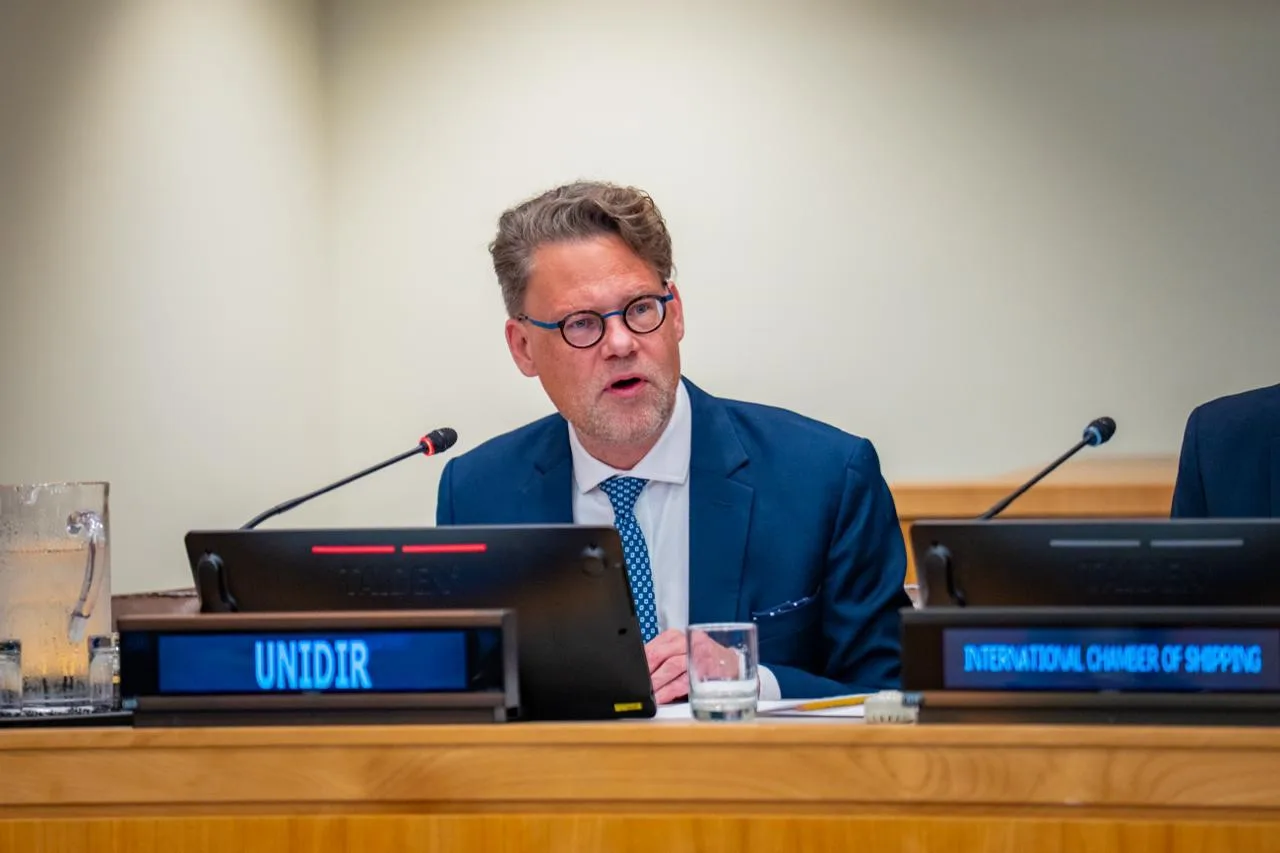
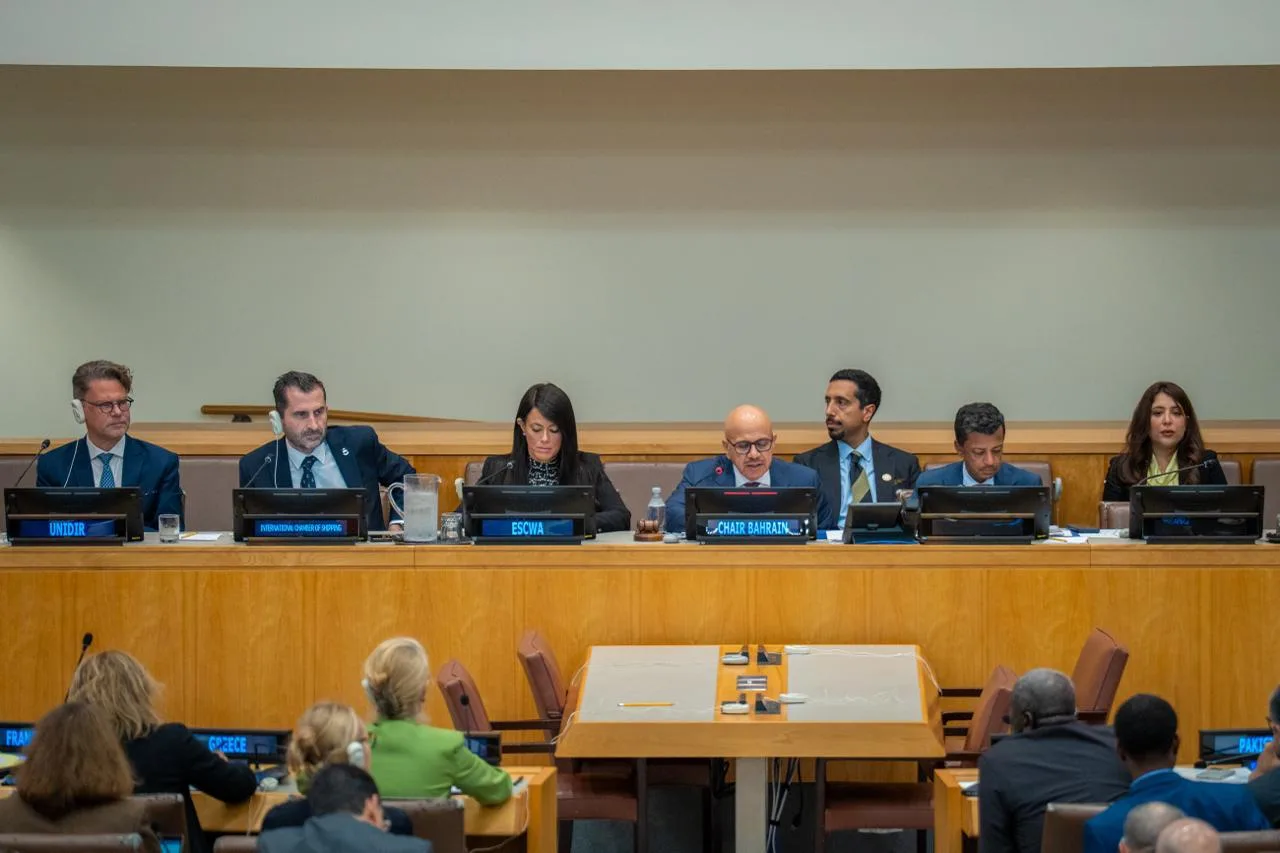
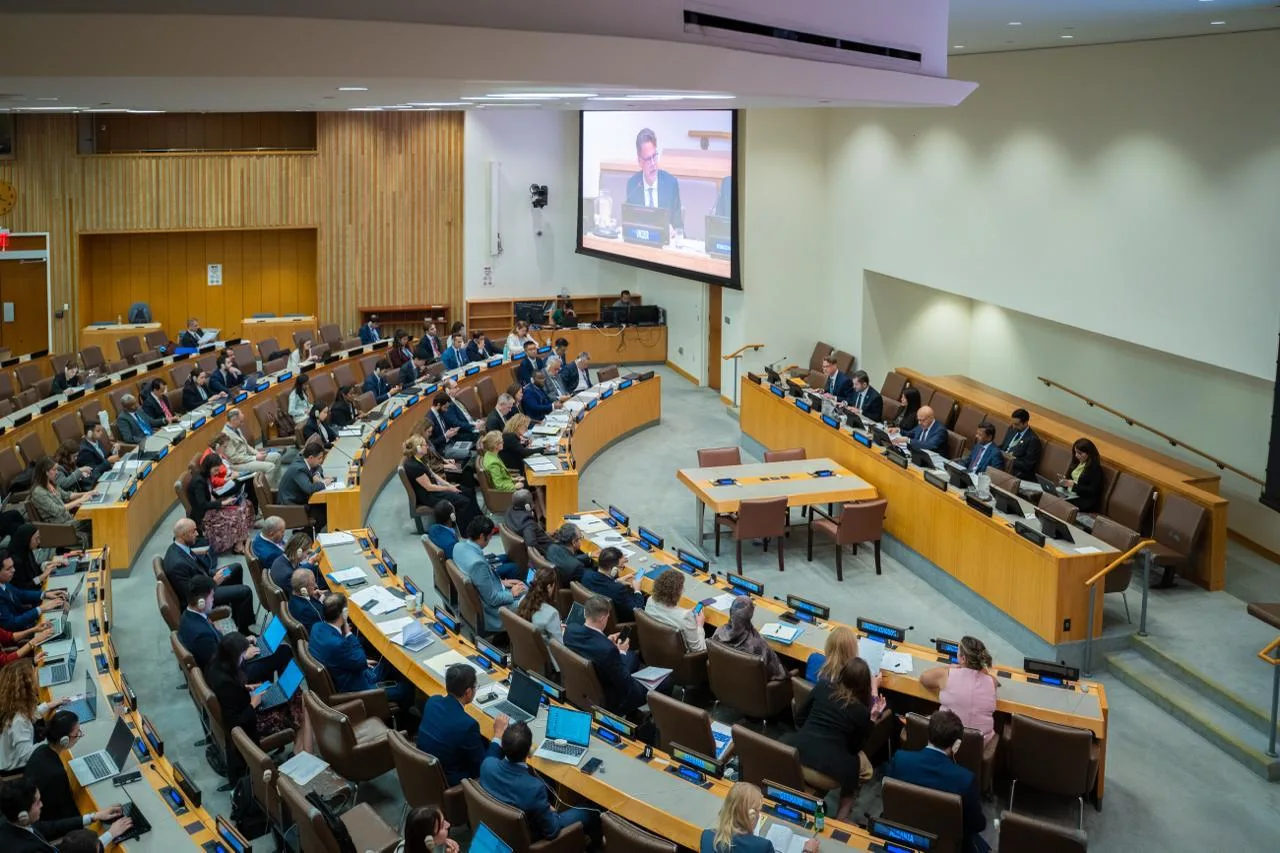
Discussing UN’s role in maritime security in New York

Back in New York for a discussion on the UN’s role in global maritime security.

In 2025, the UN Security Council has held two general high level meetings on maritime security as well as an Arria formula meeting on seafarers. Additionally, dozens of smaller informal meetings were held in New York. The current momentum and the strong consensus of nations to improve maritime security responses, expressed at these events, is unprecedented. It reflects the rapidly evolving maritime challenges, including armed attacks on shipping, substandard shipping to evade sanctions, persistent piracy and smuggling.

At an event co-organized by the Konrad Adenauer Foundation (KAS) New York Office and Greece, we discussed what the UN could do better and more effectively. In my intervention, I laid out the challenges:

  • The oceanic disconnect: Discussions on blue economy and marine conservation, e.g. within the framework of the UN Ocean Conference, are largely disconnected from maritime security debate.
  • Too many agencies, too little coordination. As identified in our 2024 UNIDIR report, a high number of UN agencies address maritime security through different mandates, with no coordination processes between them.
  • Capacity building traps. We lack solid understanding of who is training whom in what, and what types of capacity building are lacking.
  • Data gaps: We are far from a comprehensive global picture of maritime security incidents, trends and patterns. While maritime domain awareness centers provide this on a regional level, no one ensures global data.
  • Analytical void: There is too little analytical expertise within the UN to ensure that we make sense of patterns and trends, act preventively, and identify the norm deficits of emerging issues.

Following up on my intervention in the Council in May this year, I called for an office dedicated to maritime security. This would act as a clearing house and develop an annual report on the state of maritime security for the Council and General Assembly to consider. It could ensure sustainability, reduce waste of resources, and enhance efficiency.

Other speakers highlighted the need to mainstream maritime security across UN activities, including, e.g. in peace operations, stressed the importance of inter-regional cooperation, and flagged the need for preventive action. Newly emerging challenges were also discussed, including nuclear-powered ships and floating sea mines.

In 2026, countries with strong maritime interest, including Bahrain, Colombia and Liberia, will join the Council. This is likely to generate further momentum for maritime security. Whether the P5—notably Russia and China—will agree to a Council resolution that paves the way to a more structured and sustainable approach remains to be seen.


Talk at Oslo Maritime Security Seminar

Yesterday, I attended the 20th Oslo Maritime Security Seminar – the Nordic’s major industry event on the topic.

With more than 300 attendees, highlights included discussions on grey zone strategies, the shadow fleet, and the challenges linked to growing incidents of GNSS spoofing and jamming. I was invited to discuss the state of maritime security governance and presented six observations. Here in brief:

  • The agenda is evolving rapidly—from terrorism to piracy to smuggling to today’s grey zone threats (cyber, infrastructure attacks, state provocations).
  • Maritime security is now multidimensional—we’re thinking beyond surface and include subsea infrastructure, space, and cyber. That’s creating new governance complexities.
  • A new wave of privatization is underway, driven by robotics, new sensors, AI and data fusion. It’s democratizing maritime domain awareness but also creating new dependencies.
  • There’s a “coastguard revolution”—navies are stepping back from constabulary work, coastguards are stepping up, and this has major implications for maritime investment.
  • Regional cooperation is intensifying as neighbors work closer together. But so is the risk of fragmented regional governance.
  • The UN is gaining real momentum on maritime security—three high-level meetings this year, 120+ states in agreement.

You can read the script of me intervention here.

A personal highlight: Taking the stage at a comedy club – the venue of the seminar – clearly opened new career ideas.


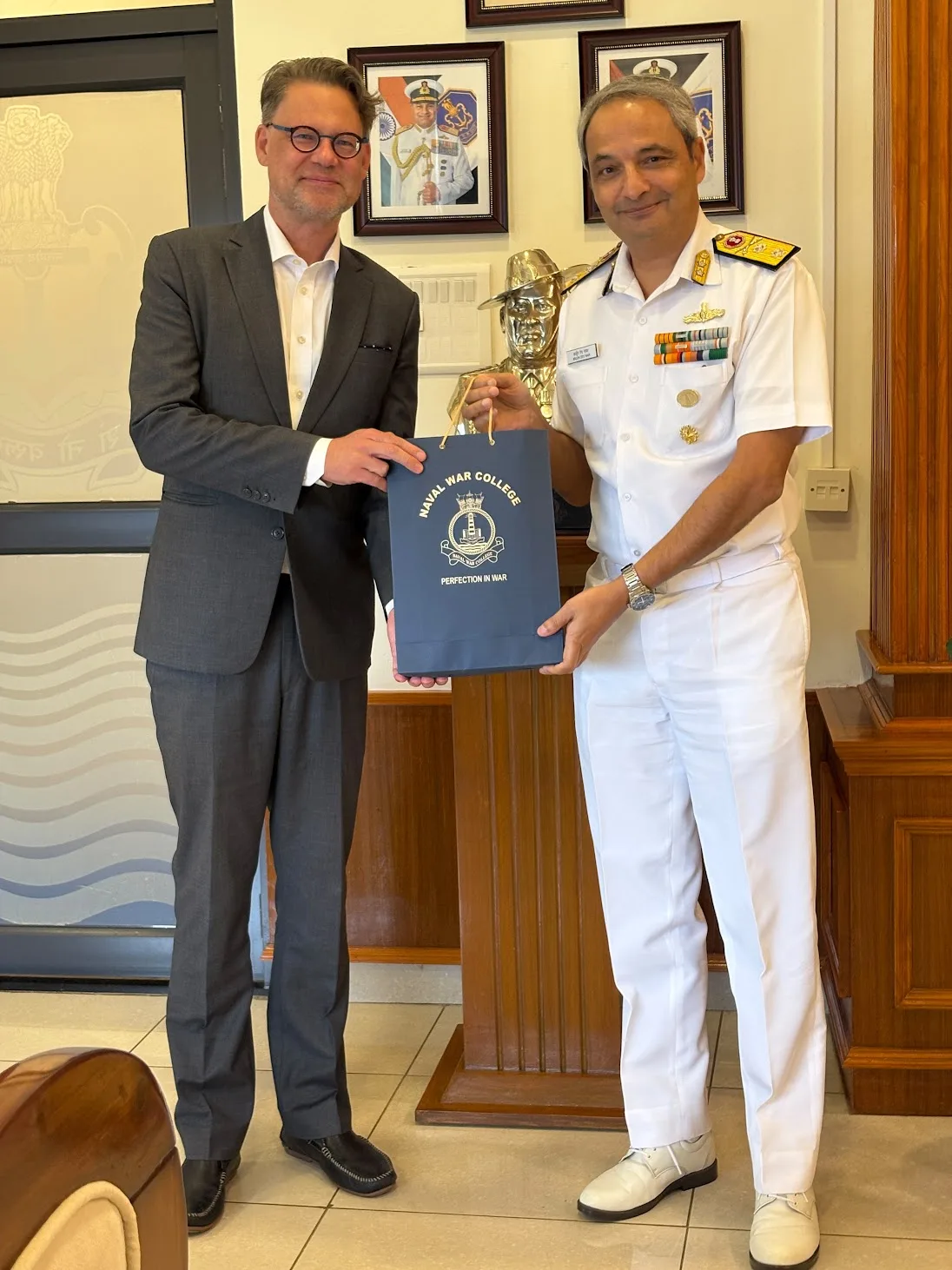
Visit to Indian maritime security center

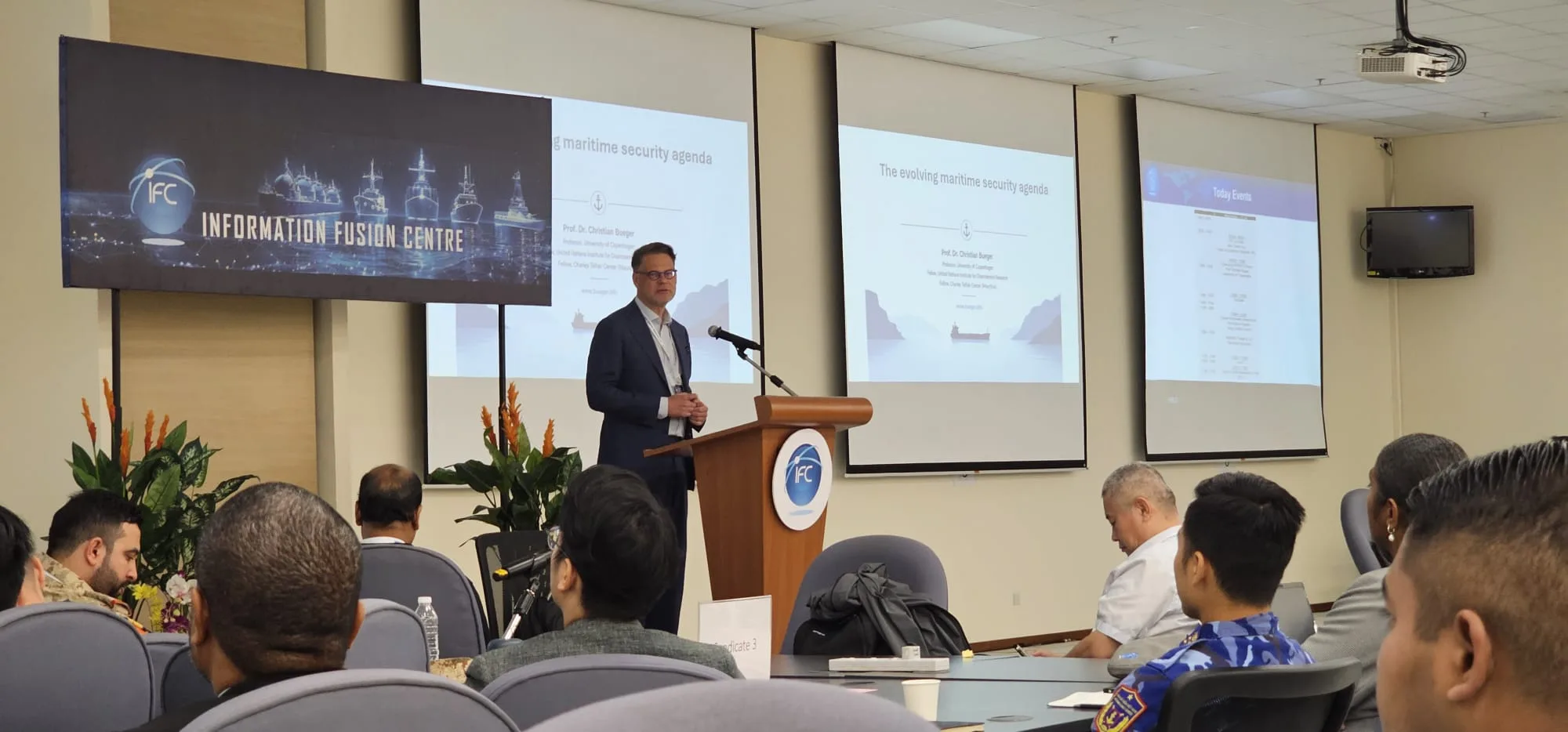
Continuing my tour of the world’s leading maritime domain awareness centers, I had the pleasure of visiting the Information Fusion Center – Indian Ocean Region (IFC-IOR) last week. The center is an initiative by the Indian Navy to improve information sharing and understanding of maritime security dynamics.

IFC-IOR is modeled after the Singapore Navy’s Information Fusion Center. It is staffed by Indian Navy personnel as well as International Liaison Officers from the Indian Ocean region from currently 15 countries. Closely linked to India’s national maritime fusion center (IMAC), the IFC-IOR’s backbone is an information fusion platform named ‘Mantra’.

Overall, the center performs four main functions:

  • It provides reports on maritime security incidents at regular intervals to provide accurate information on patterns of maritime security threats with a focus on the Indian Ocean region as well as the Gulf of Guinea.
  • The center provides support to regional maritime operations by the Indian Navy, including incidents of piracy or search and rescue missions.
  • It engages in regional capacity building activities and training through workshops on maritime domain awareness and information sharing.
  • Confidence building and naval diplomacy through building relations with international and regional maritime security forces is another major task.

In acting as a regional maritime information clearinghouse, high-level reporting is currently the IFC-IOR’s strongest contribution to the regional maritime security architecture.

Like other centers and platforms, the IFC-IOR faces the challenges of how to better integrate with other initiatives, including the four centers that form SHADE’s Single Information Framework. Another challenge lies in how to automate work, and move from information sharing to enhancing operations through prediction.

In regional terms, the center will also need to strengthen its role in supporting coordinated regional maritime security operations, including those led by its neighbors or organized in the framework of the Regional Maritime Security Architecture.


Writing retreat in Gothenburg

🌏 Fantastic to complete an intensive writing retreat with my co-authors for our forthcoming ocean infrastructure book!

⚓ Tentatively titled ‘The Engineered Ocean: Global Politics in the Age of Infrastructure’, we investigate how infrastructures are reshaping our oceans and examine the complex challenges of controlling, regulating, securing, and understanding these systems.

➡️ We’re almost done writing and can’t wait to see it in print—and to learn what everyone thinks about our ideas!

🙏 Thanks to University of Gothenburg for hosting us.


Coast guard gathering in Rome

What challenges are the cost guards of the world facing? This week I had the pleasure to participate in the largest global gathering of coast guards in Rome to find out.

As I discussed in my recent edition of ‘Turbulent Seas’, coast guards are becoming more and more important in maritime security.

The Rome gathering, organized by the Italian Coast Guard, comprised of back-to back meetings of the Mediterranean, European and Global Coast Guard forums, brought more than 100 delegations to the city. The gathering, which included in person remarks by Giorgia Meloni and the Secretary General of the International Maritime Organization, was a useful indicator for the key issues currently on the agenda:

  • Artificial Intelligence and Technology Integration: There was a strong emphasis across all three events on leveraging AI, unmanned systems, big data analytics, and emerging technologies to enhance maritime domain awareness, search and rescue operations, and predictive security capabilities.
  • International Cooperation and Information Sharing: Discussions prioritized collaborative approaches to maritime challenges, featuring extensive partnerships between coast guards, EU agencies (EMSA, EFCA, FRONTEX), and international organizations for shared training, capacity building, and data exchange.
  • Climate and Environmental Focus: Significant attention was given to ocean health, climate change impacts, decarbonization of shipping, alternative fuel sources, and environmental enforcement, reflecting the maritime sector’s adaptation to sustainability challenges.

Ensuring that coast guards exchange lessons and promising practices in dealing with these challenges is vital. I look forward to continue observing how international coast guard cooperation unfolds and hopefully some of our upcoming research can be useful. India will host the next Global Coast Guard Summit in 2027.


New newsletter on coast guards

In a new edition of my newsletter Turbulent Seas I discuss the growing importance of coast guards in maritime security and their role in international cooperation.

Given the changing security environment and the fact that navies are more and more focused on traditional roles coast guards assume a wider spectrum of tasks including in critical maritime infrastructure protection and responding to grey zone tactics.


Term begins in Copenhagen

This week the term begins at the Københavns Universitet – University of Copenhagen. It’s always a highlight in the academic calendar, filled with plenty of meetings.

This term I have the pleasure of teaching a seminar on global ocean politics. The course is designed to familiarize students with the key challenges facing our oceans—from declining ocean health and the intricacies of blue economy management to maritime security—and how these issues are addressed by global policy professionals.

The oceans should form a core part of International Relations curricula, and I’m glad that’s the case in Copenhagen.

I also look forward to working with several master’s students, supervising a range of exciting thesis projects, many of which focus on maritime issues.

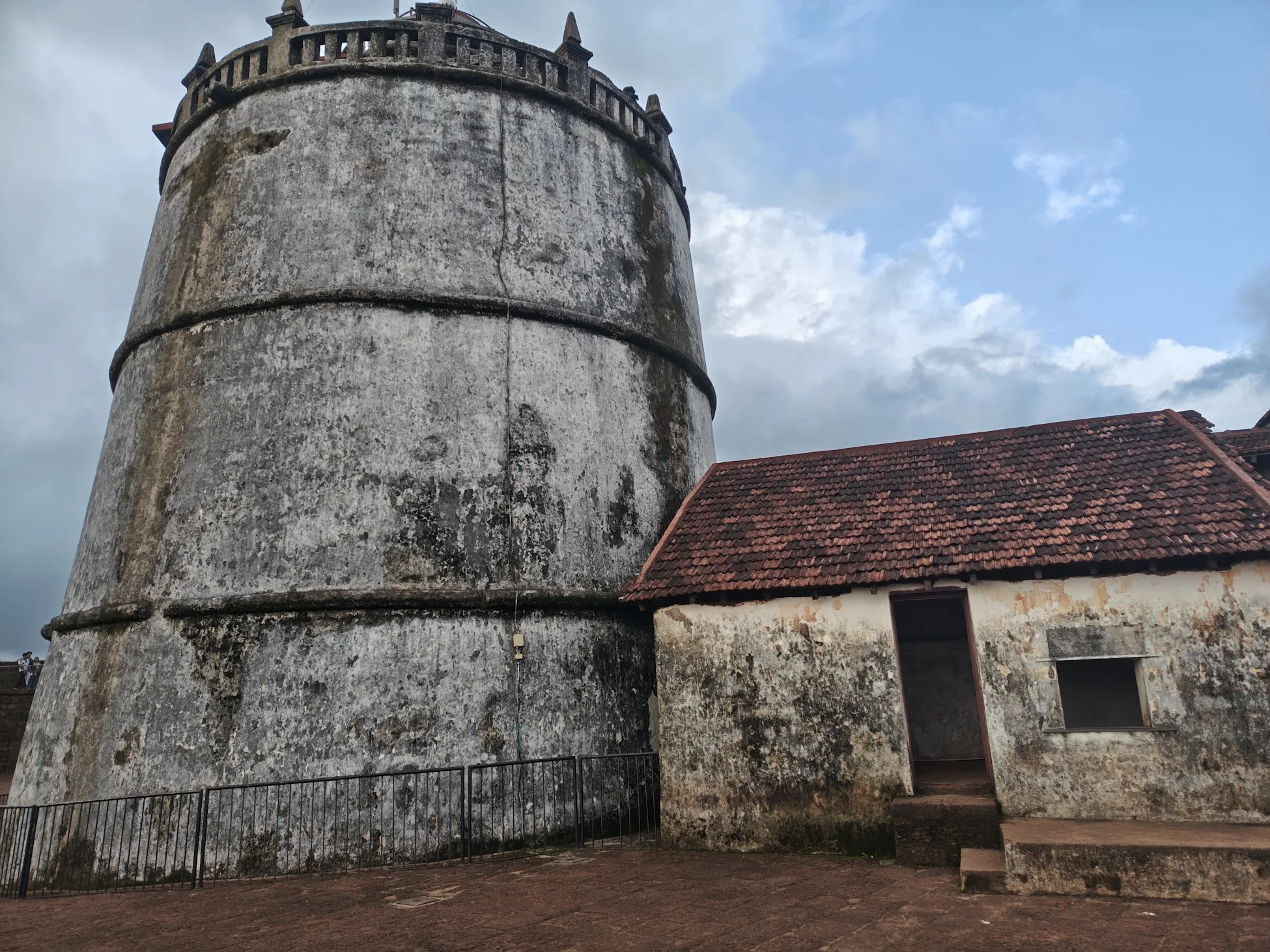
After considerable travel over the summer, including trips to Singapore, Taiwan, Mauritius, and the Maldives, it will be great to catch up with office colleagues and develop our shared projects.